

Our Future Doesn't Look Very Pretty
Convergence of Reality and Fantasy: Exploring the Benefits and Threats of Virtual and Augmented Reality Technologies in the Next Five Years

As technology advances at a rapid pace, the line between reality and fantasy continues to blur, particularly in the realm of virtual reality and augmented reality. Within the next five years, we may find it increasingly difficult to distinguish between the two, except when interacting in real life. This development, however, comes with its own set of benefits and potential threats that warrant exploration.
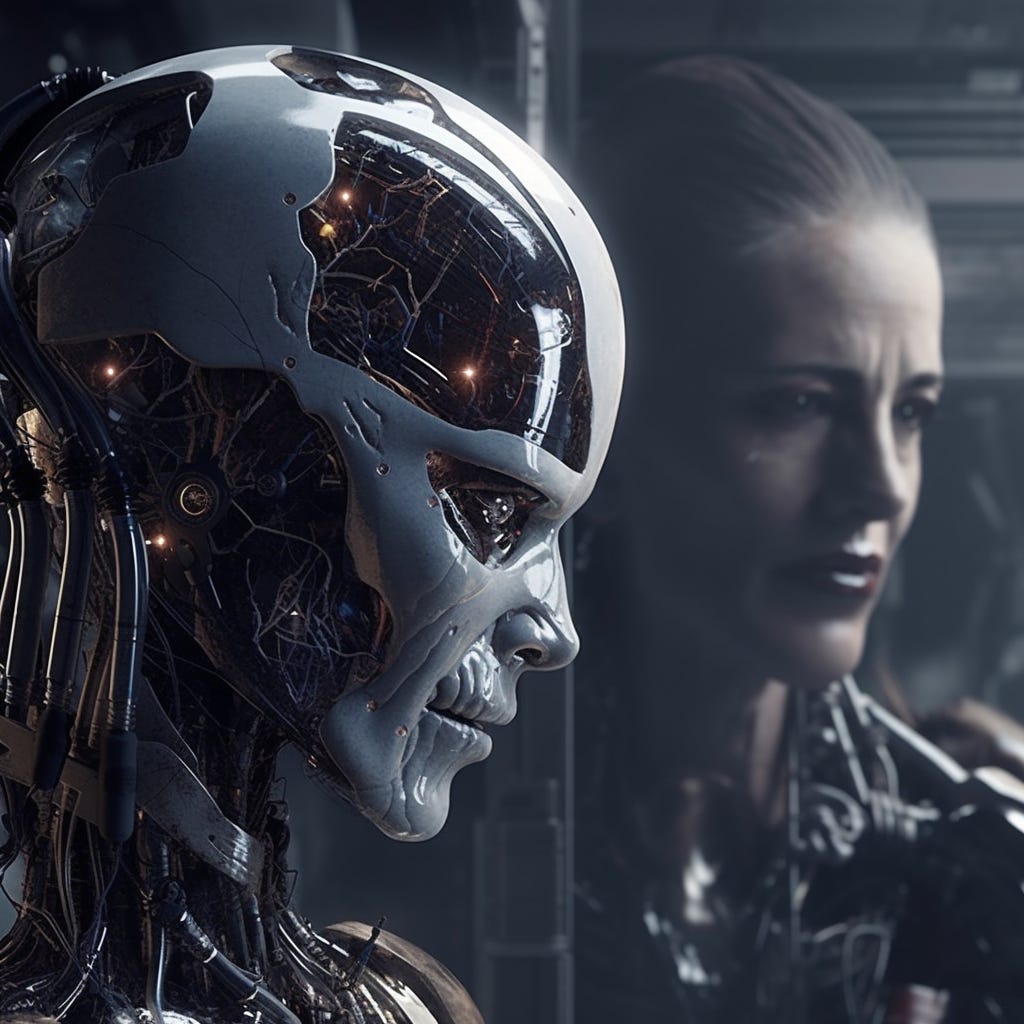
One of the most significant benefits of this convergence is the enhancement of entertainment experiences. Virtual reality and augmented reality technologies have the potential to elevate entertainment to new heights by providing more engaging and immersive experiences. Movies, video games, and other media will become more interactive, drawing users into their worlds and allowing them to experience stories and adventures firsthand.
Additionally, this level of immersion can lead to improved educational experiences. Virtual simulations and interactive lessons can provide students with a more engaging learning environment, helping them to better understand and retain information. This can be particularly beneficial for complex subjects or for students who may struggle with traditional teaching methods.
Virtual and augmented reality technologies can also be utilized in professional training and development, providing opportunities for individuals to practice and hone their skills in a safe and controlled environment. This can lead to improved performance in real-world situations, as well as increased safety in high-risk professions.
However, there are potential threats associated with the inability to distinguish reality from fantasy. As virtual experiences become more realistic, there is a risk that individuals may become addicted to these immersive worlds, prioritizing their virtual lives over their real-life responsibilities. This could lead to social isolation, mental health issues, and a decline in overall well-being.
Moreover, the proliferation of deep-fake technology can make it increasingly difficult to determine the authenticity of digital media. This has significant implications for the spread of misinformation and the erosion of trust in media sources, which can, in turn, undermine the foundation of democratic societies.
There is also concern about privacy and security in these immersive virtual environments. As people spend more time in these spaces, they may share personal information or engage in activities that could make them vulnerable to hackers and other malicious actors.
Lastly, the potential for misuse of these technologies is also a cause for concern. Virtual environments can be utilized for nefarious purposes, such as the perpetuation of illegal activities or the radicalization of individuals.
While the convergence of reality and fantasy in the next five years holds promising benefits in entertainment, education, and professional development, it also poses significant threats to our society. As we continue to develop and adopt these technologies, it is essential to establish guidelines, regulations, and safeguards to ensure that we can reap the benefits while mitigating the potential risks.