
Desire's Web: Exploring the Hidden Ties Between Human Needs and Cults
Unmasking the Intricate Web of Manipulation, Control, and Recovery

Introduction
The phenomenon of cults has captivated and perplexed humanity for centuries. From the infamous Manson Family to the tragic events of Jonestown, cults have left a lasting and often devastating impact on individuals, families, and society as a whole. Despite the substantial attention these groups have garnered, the underlying mechanisms that drive their formation, appeal, and control over their members remain shrouded in mystery for many. This book seeks to unravel these mysteries, providing a comprehensive exploration of the complex psychological, sociological, and cultural factors at play in the world of cults.

Throughout this book, we will delve into the various aspects that contribute to the formation and allure of cults, shedding light on the powerful dynamics that enable these groups to exert control over their members. We will examine the role of charismatic leaders and the power of personality, as well as the social and cultural contexts in which cults emerge and evolve. Drawing on the works of renowned scholars such as Hannah Arendt, we will also consider the parallels between totalitarian regimes and cults, exploring the common threads that bind these seemingly disparate phenomena.
Additionally, we will investigate the psychological factors that make individuals susceptible to cult involvement, offering insights into the manipulative techniques used by cults to exploit their members' vulnerabilities. We will also discuss the process of recovery and healing for those who have escaped the grasp of a cult, highlighting the unique challenges they face and the resources available to support their journey toward reclaiming their autonomy and well-being.
Finally, we will examine the broader implications of cult phenomena, considering the ways in which society can work to promote awareness, prevention, and intervention efforts. From legal and policy considerations to the role of media and technology in the proliferation of cults, we will explore the myriad factors that contribute to the persistence of these groups and the strategies we can employ to address them.
In unraveling the mysteries of cults, we hope to provide readers with a deeper understanding of the complex interplay of forces that give rise to these enigmatic and often dangerous groups. By shedding light on the underlying dynamics of cult formation and control, we can empower individuals to recognize warning signs of manipulation, support those affected, and build a more resilient and compassionate society.
Chapter 1: Introduction: The Complex Web of Human Needs and Cult Psychology
In the intricate tapestry of human existence, our desires for validation, belonging, and acceptance weave a complex pattern that shapes our social fabric and drives our interactions. This quest for connection exposes the duality of human nature, as the same yearnings that foster community can lead us down a darker path, entangling us in cult psychology. This exploration will illuminate the delicate balance between our inherent needs and the allure of cults, delving into the role of drugs and other influences that draw individuals into these enigmatic social constructs. As we embark on this thought-provoking journey, we shall uncover the human enigma that lies at the heart of these often misunderstood phenomena.

In order to unravel the complex web of human desires and cult psychology, it is vital to examine the various factors that create a fertile environment for the growth of cults. One such factor is the influence of charismatic leaders, who possess an uncanny ability to captivate and sway the minds of their followers. Cults can also provide a sense of meaning and direction in life, which can be especially appealing to those who are feeling lost or disillusioned. In addition, cults often offer a sense of community and belonging, which can be very attractive to those who feel isolated or alone.
Another critical aspect to consider is the role that drugs play in facilitating the allure of cults. Substance use and abuse can act as powerful tools for manipulation and control, as they alter an individual's perception of reality, weaken their resistance, and heighten their susceptibility to the group's ideology. In many cases, cult leaders use drugs as a means to induce altered states of consciousness and foster a sense of spiritual or emotional transcendence, further solidifying the bond between the individual and the group. By examining the interplay between human desires, charismatic leaders, and drug use, we can better comprehend the intricate dynamics that underpin the formation and perpetuation of cults.
As we delve deeper into the relationship between human desires and cults, it is crucial to acknowledge the broader cultural and social contexts that can contribute to the rise of cult-like behavior. One such example is the gun culture in the United States, which, for some, can take on a cult-like fervor. The passionate attachment to the right to bear arms, despite the potential threat to human life and safety, exemplifies how certain beliefs can attain a level of devotion and unquestioning loyalty that resembles cult psychology. By examining such cultural phenomena, we can better understand how the need for identity, belonging, and validation can be channeled into potentially destructive pursuits.
Religion, as another key aspect of human culture, also exhibits cult-like characteristics in various forms and throughout history. Belief in higher beings or supernatural powers has been a recurring theme across civilizations, often with little to no empirical evidence to support these convictions. This unwavering faith in the unseen and the unproven highlights the power of human desires for meaning, purpose, and a sense of belonging to something greater. It is essential to explore the parallels between cults and religious beliefs to further comprehend how deeply ingrained human desires can lead to the formation of complex belief systems and social structures.
The connection between human desires and cults becomes even more compelling when we consider the role of identity politics in shaping our social landscape. Identity politics can create an environment where individuals form alliances based on shared characteristics or beliefs, reinforcing a sense of belonging and validation. In some cases, this can lead to the development of an "us versus them" mentality, further entrenching divisions and fostering a sense of loyalty that mirrors the dynamics within a cult. Exploring the role of identity politics in the context of cults offers valuable insights into the factors that can lead individuals to prioritize group identity and loyalty over critical thinking and personal autonomy.
To paint a comprehensive picture of the intricate relationships between human desires, cults, and the various factors that facilitate their development, it is crucial to consider the experiences and perspectives of those who have been directly involved in cult-like groups. By examining personal accounts, testimonials, and case studies, we can gain a more profound understanding of the allure and impact of cults on the lives of individuals. These stories provide invaluable insights into the psychological and emotional mechanisms that operate within these enigmatic social constructs, allowing us to better comprehend the human desires that underpin the formation and perpetuation of cults.

In order to effectively address the phenomenon of cults and their relationship with human desires, it is important to recognize the various methods employed by cult leaders to maintain control over their followers. These methods often involve manipulation, coercion, and the exploitation of the followers' vulnerabilities. By isolating individuals from their families, friends, and external support systems, cult leaders are able to exert a greater degree of control and influence over their lives. Understanding these tactics provides valuable insights into the mechanisms by which cults maintain their hold on their members and helps us identify potential warning signs of cult involvement.
Breaking free from the grip of a cult can be an immensely challenging and emotionally fraught process. The psychological and emotional entanglements that bind individuals to these groups can be deeply ingrained, making it difficult to extricate oneself from their influence. Moreover, the fear of losing the sense of belonging and validation that the cult provides can serve as a powerful barrier to leaving. By examining the experiences of those who have successfully broken free from cults, we can gain a better understanding of the strategies and support systems that can facilitate the process of disengagement and help individuals reclaim their autonomy and sense of self.
Cults, despite their often insidious and harmful nature, can teach us valuable lessons about the human condition and the powerful forces that drive our behavior. By examining cults and their connection to our deepest desires and needs, we can better understand the vulnerabilities that make us susceptible to their influence and develop strategies to counteract these tendencies. This increased self-awareness can empower individuals to make more informed choices about the groups and belief systems they choose to align with, ultimately fostering a healthier and more resilient society.
As we continue our exploration of the hidden ties between human desires and cults, we must remember that the phenomenon of cults is not limited to specific cultural, religious, or social contexts. Throughout history and across civilizations, cult-like behavior has manifested in various forms, reflecting the universality of the human desire for validation, belonging, and acceptance. By examining the common threads that connect cults from different times and places, we can gain a more comprehensive understanding of the underlying psychological and social dynamics that drive this behavior and work towards developing more effective strategies to address the challenges posed by cults in our modern world.
As our exploration of cults and human desires progresses, it is important to address the role of technology and social media in the formation and perpetuation of cult-like groups. The internet has provided a platform for individuals with shared interests and beliefs to connect with one another, sometimes fostering the development of "echo chambers" that reinforce specific worldviews. In some cases, these virtual communities can adopt the characteristics of a cult, exhibiting similar dynamics of control, manipulation, and groupthink. By examining the impact of technology on the formation and proliferation of cults, we can better understand the challenges and opportunities posed by our increasingly connected world.
Prevention and intervention strategies are crucial in addressing the issue of cults and their impact on individuals and society. By promoting education and awareness about the warning signs of cult involvement, we can help individuals and communities to recognize and respond to potential threats more effectively. Providing support services and resources to individuals who have been affected by cults can help them recover and reintegrate into society. By adopting a proactive and collaborative approach, we can work towards mitigating the harmful effects of cults and empowering individuals to make informed decisions about their affiliations and beliefs.

Given the complex nature of human desires and their connection to cults, it is important to approach the subject with nuance and sensitivity. Recognizing that individuals who become involved in cults are often seeking a sense of belonging, validation, and purpose, it is crucial to avoid stigmatizing or marginalizing them. Instead of judging or shaming, we can offer empathy and understanding to those who have been affected by cults. This can help them to heal, grow, and discover their true selves.
Finally, it is essential to recognize that the phenomenon of cults is not a static or isolated issue, but rather a reflection of the ever-evolving human condition. As our society continues to change and adapt, so too will the ways in which cults manifest and influence our lives. By maintaining an open dialogue and a spirit of inquiry, we can continue to deepen our understanding of the complex relationship between human desires and cults and develop more effective strategies for addressing the challenges they present. Through this ongoing process of exploration and discovery, we can work towards creating a world where individuals are better equipped to navigate the complexities of their desires and make choices that promote their well-being and the well-being of those around them.
Chapter 2: A Glimpse into History: Cults Through the Ages
Throughout history, cults have emerged in various forms, reflecting the diverse cultural, social, and religious contexts in which they have taken root. Understanding the historical roots of cults can provide valuable insights into the enduring appeal of these groups and the human desires that they exploit.
One of the earliest examples of a cult-like group can be traced back to ancient Egypt, where the mysterious cult of Aten emerged during the reign of Pharaoh Akhenaten. This monotheistic cult revolved around the worship of the sun god Aten, and it had a profound impact on the culture and politics of Egypt during that time. By examining the motivations and beliefs of the followers of Aten, we can gain a better understanding of the powerful forces that drive individuals to join and remain in cult-like groups.
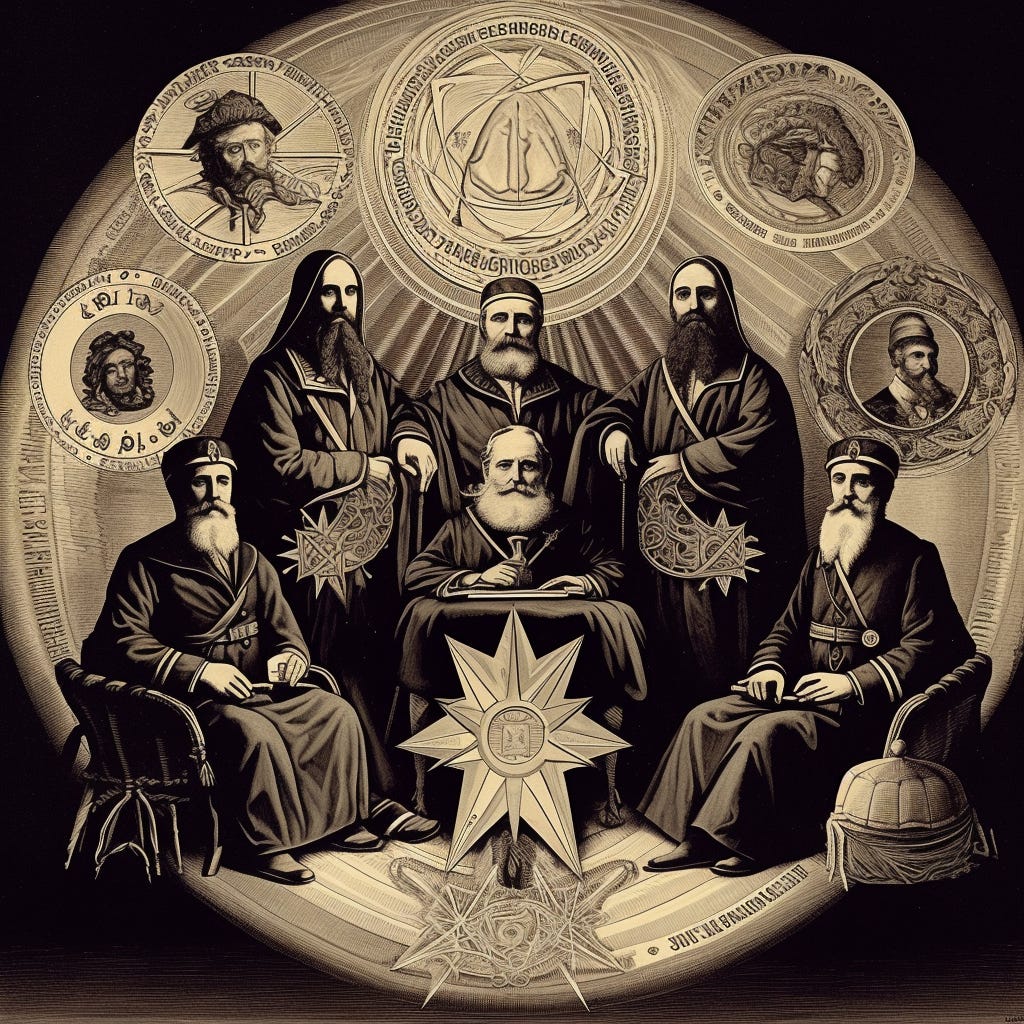
In ancient Greece, the cult of Dionysus attracted followers with its intoxicating mix of music, dance, and ritualistic ceremonies involving the consumption of wine. The ecstatic and transcendent experiences offered by the cult of Dionysus appealed to a wide range of individuals, illustrating the powerful allure of altered states of consciousness and the human desire for spiritual transcendence.
The medieval period witnessed the rise of various Christian sects and orders, some of which exhibited cult-like characteristics. For example, the Knights Templar, a powerful and secretive order of Christian knights, became the subject of much speculation and controversy due to their secretive rituals and rumored possession of sacred relics. The fascination with the Knights Templar highlights the enduring appeal of mystery and esoteric knowledge, as well as the human desire for power and influence.
These historical examples of cults demonstrate that the phenomenon is not a recent development but rather an intrinsic part of human history. By examining the commonalities and differences between these cults, we can gain a deeper understanding of the underlying psychological and social factors that drive individuals to seek out and become ensnared in cult-like groups. This knowledge can help inform our efforts to address the challenges posed by cults in contemporary society and promote a more resilient and self-aware populace.
The early modern period saw the emergence of various utopian and millenarian sects, such as the Anabaptists and the Fifth Monarchists. These groups were characterized by their radical religious beliefs, communal living arrangements, and apocalyptic visions of the future. By exploring the social and political contexts in which these cults emerged, we can better understand the human desire for meaning and purpose in times of upheaval and uncertainty.
In the 19th and 20th centuries, the rise of spiritualism and new religious movements gave birth to numerous cults, including the infamous People's Temple led by Jim Jones, and Heaven's Gate led by Marshall Applewhite. These modern cults often combined elements of Eastern and Western spirituality, along with charismatic leadership, to create powerful and alluring ideologies that attracted vulnerable individuals seeking a sense of belonging and salvation.

These historical examples serve to illustrate that cults have been a recurring phenomenon throughout human history, transcending geographical, cultural, and temporal boundaries. By studying these diverse manifestations of cults, we can identify common patterns and dynamics that underlie their formation and persistence. This knowledge can help us better understand the psychological, social, and cultural factors that contribute to the appeal of cults and inform our efforts to prevent and address the negative impacts of these groups on individuals and society.
In the following chapters, we will explore the role of charismatic leaders, the impact of technology and social media, the connection between cults and drugs, and the influence of cultural factors in the formation and perpetuation of cults. Additionally, we will examine the challenges posed by cults in contemporary society and the strategies for addressing these issues. Through this comprehensive exploration of the complex relationship between human desires and cults, we hope to shed light on the underlying forces that drive individuals to seek out and become ensnared in cult-like groups and empower them to make more informed decisions about their affiliations and beliefs.
Chapter 3: The Role of Charismatic Leaders and the Power of Personality
Charismatic leaders have played a central role in the formation and perpetuation of cults throughout history. Understanding the power of these individuals and the psychological mechanisms through which they exert influence over their followers is essential to comprehending the allure of cults and the factors that contribute to their persistence.

One key aspect of charismatic leadership is the ability to tap into the emotional and psychological needs of followers, offering them a sense of belonging, purpose, and validation. This often involves the creation of an "us versus them" mentality, in which the leader positions themselves as a visionary figure with access to special knowledge or divine insight, setting them apart from mainstream society. This dynamic can be seen in the case of David Koresh, the leader of the Branch Davidians, who claimed to be a prophet with a direct line of communication with God.
Another example is the political phenomenon of Donald Trump, who managed to cultivate a devoted following by positioning himself as a populist outsider fighting against the establishment. Trump's charisma, combined with his ability to tap into the anxieties and desires of his supporters, enabled him to maintain a loyal base despite numerous controversies and criticisms.
Charismatic leaders are not only skilled at psychological manipulation, but they also know how to exploit social and cultural vulnerabilities. This gives them a powerful advantage over their followers, who may be feeling lost, isolated, or disillusioned. By tapping into prevalent fears, anxieties, and desires, these leaders can create a narrative that resonates with their target audience and offers a compelling alternative to mainstream beliefs and values. For instance, the rise of the Manson Family in the late 1960s can be linked to the broader social and cultural upheavals of the time, including the countercultural movement and the widespread disillusionment with traditional institutions.
The role of the charismatic leader is not limited to the early stages of a cult's formation. In fact, the ongoing presence and influence of such a figure can be critical to the group's survival and expansion. This is particularly evident in the case of Scientology, where the figure of L. Ron Hubbard continues to exert a powerful influence over the organization and its members, despite his death in 1986. The enduring appeal of Hubbard's teachings and the mythology surrounding his life serve to reinforce the group's cohesion and foster a sense of collective identity among its members.

Another important aspect of charismatic leadership in cults is the process of grooming and indoctrination, through which the leader gradually breaks down the individual's sense of self and autonomy, replacing it with a new identity that is centered around the group and its ideology. This process can involve a range of techniques, such as love bombing, sleep deprivation, and the use of loaded language, all of which serve to weaken the individual's critical thinking abilities and increase their susceptibility to the leader's influence.
The phenomenon of charismatic leadership is not limited to cults but can be seen in other contexts, such as political movements and even mainstream religions. For example, the rise of televangelists in the United States in the latter half of the 20th century can be viewed as an example of charismatic leadership, with figures such as Oral Roberts and Jimmy Swaggart captivating audiences with their passionate sermons and compelling personal narratives. While not all charismatic leaders engage in the same degree of manipulation and control as those found in cults, the underlying dynamics of influence and persuasion remain remarkably similar.
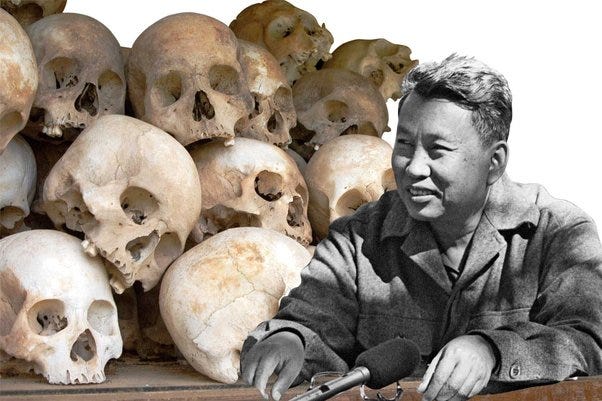
In addition to the traits and tactics already discussed in this chapter, it is worth examining how cult leaders, like totalitarian leaders, often create a sense of infallibility and absolute authority. Just as totalitarian leaders use their charisma to draw followers in and maintain control over them, cult leaders employ similar techniques to establish their dominance. Another tactic commonly used by both cult and totalitarian leaders is to create a sense of "us versus them" among their followers. This approach serves to consolidate power and isolate followers, fostering loyalty and cohesion within the group.
The study of charismatic leaders and their role in the formation and perpetuation of cults can provide valuable insights into the psychological and social mechanisms that underlie these groups and the factors that contribute to their appeal. By understanding the strategies and techniques employed by these leaders, we can become better equipped to recognize and resist their influence and protect ourselves and others from the potentially harmful effects of cult involvement. In the following chapters, we will explore other aspects of cult dynamics, including the impact of technology and social media, the connection between cults and drugs, and the influence of cultural factors in the formation and perpetuation of cults.
Chapter 4: The Impact of Technology and Social Media on Cult Dynamics
The advent of the internet and social media has had a profound impact on the way cults operate and recruit new members. These technological innovations have expanded the reach of cults, allowing them to connect with potential followers across geographical boundaries and demographic divides.

One of the primary ways in which technology has facilitated the growth of cults is through the proliferation of online forums and social media platforms. These virtual spaces offer fertile ground for the dissemination of cult ideologies and the recruitment of new members, providing an anonymous and accessible environment in which individuals can explore alternative belief systems and connect with like-minded individuals. The use of online tools such as chat rooms, message boards, and social networking sites has enabled cults to target vulnerable individuals with tailored messages, bypassing traditional barriers to communication and persuasion.
Moreover, the rise of social media has also provided cults with new opportunities for the dissemination of their message and the construction of a public image. By cultivating a strong online presence, cults can reach a wider audience and shape public perceptions of their group and its teachings. The use of visual imagery, personal testimonials, and engaging multimedia content can make cult ideologies appear more attractive and credible, increasing their appeal to potential recruits.
The internet has also facilitated the decentralization of cult leadership, allowing individuals to assume the role of charismatic leader without the need for a physical presence. This can be seen in the case of online conspiracy theories, such as the QAnon movement, where the anonymous figure of "Q" has managed to amass a significant following based on cryptic messages and baseless claims. The lack of a centralized authority structure makes it difficult for law enforcement and other agencies to track and monitor these groups, further complicating efforts to address the negative impacts of cult involvement.

While technology has undoubtedly provided cults with new opportunities for growth and expansion, it has also given rise to new challenges and vulnerabilities. The increased visibility of cults online has made it easier for critics and former members to share their stories and expose the abuses and manipulations that often occur within these groups. Furthermore, the ease of access to information on the internet has made it more difficult for cults to maintain a monopoly on truth and control the flow of information to their followers. As we continue to explore the complex dynamics of cults in the modern world, it is essential to consider the ways in which technology and social media have shaped and transformed these groups and the strategies we can employ to protect ourselves and others from their influence.
Chapter 5: The Nexus between Cults and Drugs
In many instances throughout history, cults have utilized mind-altering substances as a means to manipulate and control their members. The use of drugs in cult environments can serve multiple purposes, from enhancing mystical experiences to subduing dissent and fostering dependence on the group.

The Peoples Temple, led by Jim Jones, was a cult that used drugs as a tool of control. Members were often coerced into taking drugs as a form of "therapy" or spiritual exploration, resulting in a heightened state of vulnerability and susceptibility to Jones' influence. The mass suicide of the Peoples Temple in Jonestown, Guyana, was made possible by the administration of a cyanide-laced drink. This underscores the deadly potential of drug use in cult environments.
The Manson Family, led by Charles Manson, was another notorious cult that used drugs as a tool of control. Manson used LSD and other hallucinogens to manipulate his followers, breaking down their sense of reality and fostering a deep sense of loyalty to him. Manson's use of drugs to induce altered states of consciousness in his followers made it easier for him to indoctrinate them with his apocalyptic vision and incite them to commit violent acts on his behalf.
In some cases, cults have also been involved in the production and distribution of drugs as a means of financing their activities and furthering their ideological goals. The Aum Shinrikyo cult in Japan, responsible for the deadly 1995 sarin gas attack on the Tokyo subway, was known to manufacture and sell illegal drugs, using the profits to fund their operations and purchase weapons.
However, it is important to recognize that not all cults utilize drugs as a means of control, and the relationship between drug use and cult involvement can be complex and multifaceted. In some instances, individuals who are already struggling with substance abuse may be drawn to cults as a way of finding support, camaraderie, and a sense of purpose. In other cases, drug use may be a byproduct of the cult's belief system or a means of exploring altered states of consciousness in pursuit of spiritual enlightenment.
It's valuable to consider the parallels between these techniques and those employed by totalitarian regimes. For instance, propaganda and the manipulation of information are critical tools in both contexts. In the case of cults, these tactics serve to recruit and indoctrinate new members, drawing them deeper into the group's belief system. Another point of comparison is the concept of "total domination" found in totalitarian regimes, where individuals are stripped of their autonomy and forced to conform to the leader's ideology. This process closely mirrors the cult indoctrination experience, in which members' sense of self and autonomy are gradually eroded in service of the group's goals and beliefs.

As we continue to examine the various dimensions of cult dynamics, it is crucial to recognize the role that drugs can play in facilitating manipulation and control within these groups. By understanding the ways in which drugs can be used to exploit vulnerable individuals and the factors that contribute to their appeal, we can better address the challenges posed by cult involvement and work to promote awareness and prevention efforts within our communities. In the next chapter, we will delve into the influence of cultural factors in the formation and perpetuation of cults, examining the ways in which historical and sociopolitical contexts can shape the development and appeal of these groups.
Chapter 6: The Role of Culture in Cult Formation and Appeal
Cultural factors can play a significant role in the formation and perpetuation of cults, shaping the way in which these groups develop, evolve, and appeal to potential followers. By examining the influence of historical, social, and political contexts, we can gain a deeper understanding of the complex dynamics that underlie cult phenomena and the factors that contribute to their persistence.

One key factor that can contribute to the emergence of cults is the presence of social unrest or disillusionment within a society. In times of political upheaval, economic instability, or widespread dissatisfaction with the status quo, individuals may be more likely to seek out alternative belief systems and sources of authority. Cults often present themselves as offering a solution to the perceived problems of society, providing a sense of meaning, purpose, and belonging that may be lacking in the wider culture.
For example, the 1960s and 1970s in the United States were characterized by a growing countercultural movement and widespread disillusionment with mainstream institutions, giving rise to a number of high-profile cults such as the Manson Family and the Peoples Temple. These groups were able to attract followers by offering an alternative vision of society and tapping into the broader cultural zeitgeist.
Another cultural factor that can influence the formation and appeal of cults is the prevalence of certain religious or spiritual beliefs within a society. In some cases, cults may emerge as offshoots of established religious traditions, appropriating elements of doctrine and ritual to create a new and distinct belief system. In other instances, cults may draw on elements of popular culture or fringe spiritual practices to construct their own unique worldview.
For instance, the Heaven's Gate cult, which gained notoriety in the 1990s for its mass suicides, combined elements of Christianity, New Age spirituality, and UFO conspiracy theories to create a belief system that was both familiar and exotic to potential followers. By tapping into existing cultural narratives and beliefs, cults can create a sense of legitimacy and resonance that may be appealing to those who are dissatisfied with more mainstream religious offerings.
Cultural factors can influence how society perceives and treats cults. In some cases, cults may be tolerated or even embraced as a legitimate expression of religious or spiritual diversity, while in other cases they may be stigmatized and marginalized as dangerous or deviant. The degree to which a cult is able to integrate itself into the fabric of a society can have significant implications for its ability to recruit and retain members, as well as its overall longevity and impact.
In conclusion, it is essential to recognize the complex interplay between cultural factors and the dynamics of cult formation and appeal. By understanding the ways in which historical, social, and political contexts can shape the emergence and evolution of these groups, we can better address the challenges they pose and work to promote awareness and prevention efforts within our communities. In the next chapter, we will explore the psychological factors that underlie cult involvement, examining the reasons why individuals may be drawn to these groups and the mechanisms by which they are manipulated and controlled.
Chapter 7: Psychological Factors and the Allure of Cults
Understanding the psychological factors that contribute to cult involvement is crucial for recognizing why individuals may be drawn to these groups and how they become manipulated and controlled. By examining the underlying motivations, cognitive biases, and emotional vulnerabilities that can make individuals susceptible to cult influence, we can develop a more comprehensive understanding of the complex dynamics at play.
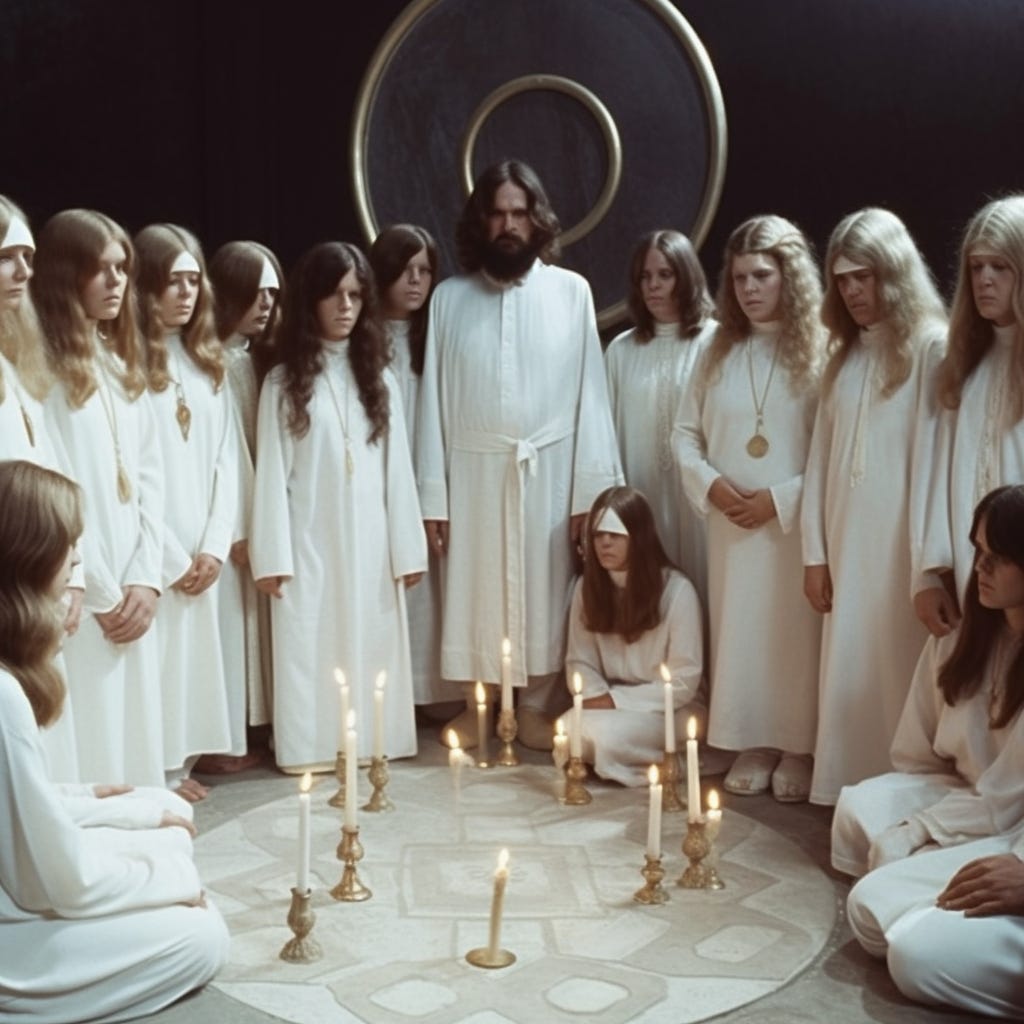
One key psychological factor that can make individuals vulnerable to cult involvement is the need for belonging and social connection. Humans are inherently social creatures, and the desire to be part of a community and form meaningful relationships is a fundamental aspect of our psychological makeup. Cults often exploit this need by offering a sense of camaraderie, acceptance, and support that may be lacking in an individual's life.
Moreover, cults often provide their members with a strong sense of identity and purpose, which can be particularly appealing to those who feel lost or adrift. By presenting a clear and compelling vision of the world and the individual's role within it, cults can offer a sense of meaning and direction that may be difficult to find elsewhere.
Another psychological factor that can contribute to cult involvement is the power of cognitive dissonance. When individuals are confronted with information or experiences that challenge their existing beliefs or values, they often experience psychological discomfort. To resolve this dissonance, they may engage in various strategies to bring their beliefs and actions into alignment, such as adopting new beliefs that are more consistent with their experiences. Cults can exploit this process by presenting an alternative belief system that resolves the individual's dissonance and reinforces their commitment to the group.

Cults also frequently employ manipulative techniques designed to undermine an individual's autonomy and foster dependence on the group. These tactics may include the use of intense emotional experiences, such as love-bombing or public shaming, to break down an individual's sense of self and create a heightened state of vulnerability. By exerting control over an individual's thoughts, emotions, and behavior, cults can effectively isolate them from outside influences and reinforce their loyalty to the group.
It is important to recognize that not all individuals who become involved in cults are inherently weak or vulnerable. In many cases, cults are able to recruit individuals who are intelligent, successful, and well-adjusted, using sophisticated techniques of persuasion and manipulation to draw them into the group. By understanding the diverse range of psychological factors that can contribute to cult involvement, we can better recognize the warning signs of potential manipulation and develop strategies for intervention and support.
In the next chapter, we will delve into the process of recovery and healing for individuals who have been involved in cults, exploring the unique challenges they may face and the resources available to support their journey toward reclaiming their autonomy and well-being.
Chapter 8: Recovery and Healing for Former Cult Members
Recovery and healing for individuals who have been involved in cults is a complex and often challenging process. Leaving a cult can be a deeply disorienting and isolating experience, as former members must grapple with the psychological, emotional, and social ramifications of their involvement. In this chapter, we will discuss the unique challenges faced by former cult members and the resources and strategies available to support their journey toward healing and reintegration.

Psychological challenges: Leaving a cult often involves a significant process of psychological deconstruction and rebuilding. Former members must confront the cognitive dissonance and confusion that may arise as they attempt to reconcile their past experiences and beliefs with their newfound understanding of the cult's manipulative tactics. This process may involve working through feelings of shame, guilt, and betrayal, as well as addressing the lingering impact of the cult's psychological manipulation on their sense of self and autonomy.
Emotional challenges: The emotional challenges faced by former cult members can be diverse and intense, ranging from feelings of grief and loss to anger and resentment. Many former members may struggle with feelings of loneliness and isolation, as they attempt to navigate a world that may seem unfamiliar and overwhelming. Developing healthy coping strategies and building a support network of understanding individuals can be crucial for addressing these emotional challenges.
Social challenges: Rebuilding social connections and support networks can be a significant challenge for former cult members, particularly if they have been isolated from friends and family during their time in the cult. Re-establishing relationships and forming new connections may require time, patience, and a willingness to be vulnerable and open about one's experiences.
Resources for recovery: There are numerous resources available to support former cult members in their journey toward healing and reintegration. These may include therapy, support groups, and educational resources designed to help individuals understand the nature of cults and the techniques of manipulation and control they employ. In addition, many former cult members find solace in connecting with others who have shared similar experiences, either through online forums or in-person support groups. I have listed a few at the end of this book.
Strategies for healing: As former cult members navigate the process of recovery and healing, it is important for them to develop strategies for maintaining their well-being and safeguarding against potential triggers or vulnerabilities. This may involve setting healthy boundaries, practicing self-care, and cultivating a strong sense of self and identity outside of the cult context.


The journey toward recovery and healing for former cult members can be a complex and challenging process. However, with the right resources, support, and strategies in place, it is possible for individuals to reclaim their autonomy, rebuild their lives, and find hope and resilience in the face of their experiences. In the next and final chapter, we will discuss the broader implications of cult phenomena and the ways in which society can work to promote awareness, prevention, and intervention efforts.
Chapter 9: Broader Implications and the Path Forward
As we have explored throughout this book, the phenomenon of cults is a complex and multifaceted issue that spans the realms of psychology, sociology, and culture. Cults can have profound and lasting impacts on the individuals involved, their families, and society as a whole. In this final chapter, we will discuss the broader implications of cult phenomena and consider the ways in which we can work to promote awareness, prevention, and intervention efforts.

Raising awareness: Increasing public understanding of the nature of cults, the techniques they employ, and the warning signs of manipulation and control is a crucial step in preventing individuals from becoming ensnared in these groups. Educational initiatives or public awareness campaigns can help to dispel myths and misconceptions about cults, foster empathy and understanding for those who have been affected, and empower individuals to recognize and respond to potential manipulation.
Cult prevention: Developing strategies for cult prevention involves addressing the underlying factors that can make individuals vulnerable to cult involvement, such as the need for belonging, identity, and purpose. By fostering healthy social connections, promoting critical thinking skills, and supporting individuals in developing a strong sense of self and autonomy, we can help to create a more resilient society that is less susceptible to the allure of cults.
Intervention and support: Supporting individuals who are at risk of or already involved in cults requires a multifaceted approach that includes education, therapy, and social support. Intervention efforts should be tailored to the unique needs and circumstances of each individual, taking into account the psychological, emotional, and social factors that may be contributing to their vulnerability or involvement. In addition, it is essential to provide resources and support for families and friends who may be grappling with the impact of a loved one's cult involvement.
Legal and policy considerations: Addressing the issue of cults also involves examining the legal and policy frameworks that may enable or constrain these groups. This may involve advocating for stronger regulation of cults and other potentially harmful groups, promoting transparency and accountability within religious and spiritual communities, and developing guidelines for mental health professionals and other service providers who may encounter individuals affected by cults.
The role of media and technology: As we have seen, cults have evolved and adapted over time, making use of new technologies and communication platforms to recruit new members and control the behavior of their members. It is important for society to recognize the role that media and technology can play in enabling and amplifying cult phenomena, and to develop strategies for mitigating these risks.

In conclusion, the issue of cults is a complex and deeply ingrained aspect of human society, touching upon our most primal needs for connection, meaning, and identity. By understanding the diverse range of factors that contribute to cult involvement and developing comprehensive strategies for awareness, prevention, and intervention, we can work toward a more resilient and compassionate society that supports the well-being and autonomy of all individuals.
References
Langone, M. D. (Ed.). (1993). Recovery from Cults: Help for Victims of Psychological and Spiritual Abuse. W. W. Norton & Company.
Singer, M. T., & Lalich, J. (1995). Cults in Our Midst. Jossey-Bass.
Galanter, M. (Ed.). (1989). Cults: Faith, Healing, and Coercion. Oxford University Press.
Introvigne, M. (2016). Cults and New Religions: A Brief History. Wiley-Blackwell.
Dawson, L. L. (Ed.). (2003). Cults and New Religious Movements: A Reader. Wiley-Blackwell.
Zeller, B. E. (2014). Heaven's Gate: America's UFO Religion. NYU Press.
Melton, J. G. (2004). Encyclopedia of American Religions. Gale Cengage Learning.
Kent, S. A., & Krebs, T. (1998). "When Scholars Know Sin: Alternative Religions and Their Academic Supporters". Skeptic, 6(3), 36-44.
Hassan, S. (2018). Combating Cult Mind Control. Freedom of Mind Press.
Lalich, J., & Tobias, M. L. (2006). Take Back Your Life: Recovering from Cults and Abusive Relationships. Bay Tree Publishing.
Robbins, T., & Anthony, D. (1982). "Deprogramming, Brainwashing and the Medicalization of Deviant Religious Groups". Social Problems, 29(3), 283-297.
Bromley, D. G. (2004). "Whither New Religions Studies: Defining and Shaping a New Area of Study". Nova Religio: The Journal of Alternative and Emergent Religions, 8(2), 83-97.
Lifton, R. J. (1961). Thought Reform and the Psychology of Totalism: A Study of "Brainwashing" in China. W. W. Norton & Company.
West, L. J., & Langone, M. D. (1986). "Cultism: A Conference for Scholars and Policy Makers. Summary of Proceedings of the Wingspread Conference on Cultism, September 9-11". Cultic Studies Journal, 3(1), 88-126.
Giambalvo, C., & Rosedale, H. L. (Eds.). (2002). The Boston Movement: Critical Perspectives on the International Churches of Christ. American Family Foundation.
Whitsett, D., & Kent, S. A. (2003). "Cults and Families". Families in Society, 84(4), 491-502.
Hassan, S. (2012). Freedom of Mind: Helping Loved Ones Leave Controlling People, Cults, and Beliefs. Freedom of Mind Press.
Ayella, M. (1990). "They Must Be Crazy: Some of the Difficulties in Researching 'Cults'". American Behavioral Scientist, 33(5), 562-577.
Arendt, H. (1951). The Origins of Totalitarianism. Harcourt, Brace & Co.
Resources:
Families Against Cult Teachings raises awareness about cults in the US and abroad
Footsteps is a NY-based full-service social service agency for those looking to leave Orthodox Jewish communities
Foundation Beyond Belief aims to unite humanists’ charitable giving/volunteering
Freedom from Religion Foundation brings lawsuits to keep church and state separate (check out the founders’ fascinating interview with Recovering from Religion!)
Freedom of Mind Resource Center offers info/advice on cults and how to get yourself or your loved one out; also offers support groups
International Cultic Studies Association, founded in 1979, is a global network of the former high-demand group (cult) members, helping professionals, and researchers
Journey Free provides counseling for psychological healing
Open Minds Foundation offers useful info and helpful resources on “undue influence” in America (ie abuse, cults, obedience to authority figures, radicalization)
Openly Secular aims to end discrimination against secular people by making our stories and selves more visible
Meadow Haven and Wellspring are 2 US residential treatment centers for spiritual abuse/cult survivors
Recovering from Religion helps those questioning and leaving religion